When fuel prices climb, every trip to work, school, the jobsite, or the grocery store feels more expensive. While no motor oil can promise a specific miles-per-gallon increase or erase the cost of fuel, smart maintenance can help you get more dependable service from the vehicle you already own. High-quality synthetic lubricants from AMSOIL are designed to support engine protection, reliable performance, and maintenance planning—three areas that matter when you are watching every dollar.
For everyday drivers, truck owners, and diesel owners, the goal is simple: keep the vehicle running efficiently, avoid preventable problems, and follow a maintenance plan that fits the manufacturer’s requirements and your real-world driving conditions. Here is how synthetic lubrication can be part of that strategy.
Start With What You Can Control
Fuel prices are outside your control, but vehicle condition is not. Tire pressure, alignment, air filters, driving habits, load, fuel quality, and routine service all influence how a vehicle operates. Lubricants are one important piece of that larger picture.
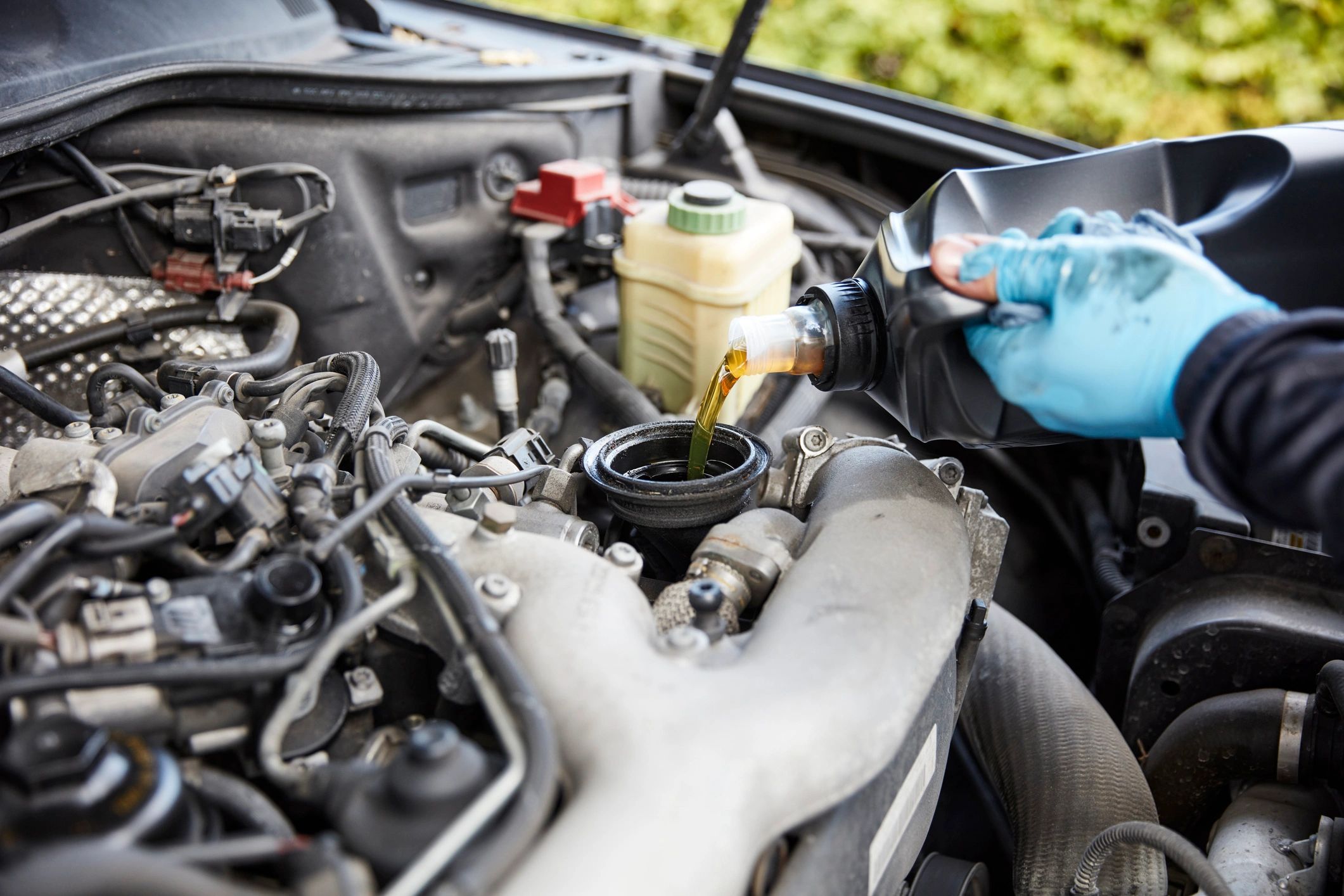
Engine oil has demanding work to do. It must lubricate moving parts, help manage heat, resist oxidation, control deposits, suspend contaminants, and protect components during cold starts and heavy loads. As oil ages, heat and contamination can reduce its ability to perform those jobs. Choosing an oil formulated for your engine and using the correct viscosity can help support the conditions your vehicle was designed to handle.
AMSOIL synthetic lubricants are formulated to provide dependable protection across a broad range of operating conditions. That does not mean one product is right for every vehicle. Always consult your owner’s manual and select a product that meets the required viscosity and performance specifications for your engine.
Synthetic Oil Supports Consistent Protection
Modern engines are built with tight tolerances, advanced fuel systems, turbochargers, variable valve timing, and emissions equipment. These systems can place more demands on engine oil than older designs did. Stop-and-go traffic, short trips, towing, idling, extreme temperatures, and dusty conditions can add even more stress.
A quality synthetic oil is engineered to maintain protective properties under demanding conditions. Its formulation can help it resist thermal breakdown and oxidation, support cleanliness, and maintain appropriate flow characteristics when temperatures change. In practical terms, that means the oil is designed to keep doing its job when your engine is working hard.
That protection matters because unexpected repairs can be far more disruptive to a household budget than routine maintenance. No lubricant can prevent every mechanical issue, but using the correct high-quality oil and changing it on schedule is a sensible way to care for a major investment.
Efficiency Is About the Whole System
It is important to be realistic about fuel economy. A lubricant alone does not guarantee fuel savings, and results vary by vehicle, condition, driving habits, weather, and maintenance history. However, proper lubrication is part of helping an engine operate as intended.
Using the manufacturer-recommended oil viscosity and specification helps ensure the engine receives the protection and flow characteristics it was designed around. In many newer vehicles, the specified oil grade is selected with both durability and efficiency in mind. Moving to a thicker or different oil simply because it sounds tougher is not always the right choice. The best choice is the product that meets your vehicle’s requirements.
Pair your oil choice with practical habits: keep tires inflated to the recommended pressure, remove unnecessary weight, avoid aggressive acceleration when possible, address warning lights promptly, and stay current on filters and scheduled service. These steps work together to support reliable operation when fuel costs are high.
Longer Drain Intervals Require Care
One potential advantage of certain AMSOIL products is the ability to support extended drain intervals in appropriate applications. This can be appealing when you want to reduce the time and expense associated with frequent oil changes. But extended drains are not automatic, and they are not appropriate for every vehicle or every driver.
Follow the vehicle manufacturer’s warranty requirements and the specific AMSOIL product recommendations. Severe service—such as frequent short trips, towing, commercial use, heavy idling, extreme heat or cold, or dusty environments—may call for shorter intervals. Oil analysis can also be a useful tool for owners who want data about lubricant condition in demanding applications.
The practical benefit is not simply waiting longer to change oil. It is using a thoughtful maintenance plan that balances protection, convenience, and cost. If an extended interval is appropriate for your vehicle and operating conditions, it may mean fewer service appointments and less used oil to manage over time. If it is not appropriate, changing oil sooner remains the responsible choice.
Reduced Maintenance Costs Begin With Prevention
When budgets are tight, it can be tempting to delay maintenance. Unfortunately, postponing basic service can turn a manageable expense into a larger repair later. Oil changes, fluid checks, filter replacements, and inspections are preventive steps that help you identify small concerns before they become major interruptions.
AMSOIL offers products for more than just engine oil, including transmission fluids, gear lubricants, greases, and other maintenance products. Selecting the correct fluid for each system can help support smooth operation and component protection. Again, compatibility matters: use the specifications in your owner’s manual and product documentation rather than guessing.
For truck and diesel owners, this approach is especially valuable. Towing, hauling, long idle periods, and high torque loads can place significant demands on lubricants. A maintenance plan built around the correct products, regular inspections, and realistic service intervals can help keep equipment ready for work.
A Practical Checklist for High Fuel Costs
- Check your owner’s manual for the required oil viscosity and performance specification.
- Choose a quality synthetic lubricant that meets those requirements.
- Monitor oil level regularly, especially before long trips or towing.
- Follow the recommended drain interval, adjusting for severe service when necessary.
- Keep tires properly inflated and address alignment or brake-drag concerns.
- Replace air and fuel filters according to the maintenance schedule.
- Use oil analysis when appropriate for fleets, diesel applications, or extended-drain planning.
- Keep records of services and products used so you can make informed maintenance decisions.
Choose Value Over Shortcuts
High fuel prices make it natural to look for ways to cut costs. The most useful approach is not chasing unrealistic promises. It is making informed choices that support the long-term health of your vehicle. Quality lubricants, correct specifications, consistent maintenance, and sensible driving habits can help you protect your investment and reduce the chance of avoidable downtime.
AMSOIL synthetic lubricants can be a practical part of that plan. Whether you drive a daily commuter, a family SUV, a work truck, or a diesel pickup, Veteran Lubricants can help you identify AMSOIL products that fit your application. We are here to provide product guidance so you can maintain your vehicle with confidence.
Keep Your Vehicle Ready
Fuel prices may change, but dependable maintenance remains one of the best ways to care for your vehicle. Start with the right oil, follow the right interval, and give every system the attention it needs. A well-maintained vehicle is better positioned to serve you reliably through the miles ahead.